22 years
Reported struggle across courts, insolvency, and property.

Corruption · Collusion · Malfeasance
The public face of Mr Lake’s case: twenty-two years of disputed outcomes, suppressed evidence, bankruptcy, and a Crown hold that still blocks his home.
Reported struggle across courts, insolvency, and property.
Documented in the case record after structured review.
Identified alongside the 47 violations.
On Mr Lake’s account, these are the legal points that were never properly weighed in court — not one bad day, but facts of law and evidence that judges never fully saw.
Under the Limitation Act 1980, Mr Lake says the Tyson claim was time-barred. His barrister, Robert Toone, told him he would win the case on limitation — then, Mr Lake alleges, abandoned that defence without his consent.
Financial and payment material was given to solicitors and barristers but, on Mr Lake’s account, never placed in the court bundle. Charles Morgan QC later told him that none of his evidence had been put before the court — the proof point that judges decided without the full file.
Stockton-on-Tees Borough Council granted planning permission (04/2030/FUL, November 2004) when the entrance did not belong to the applicant. Mr Lake says this breach of planning and highway law enabled everything that followed.
Mr Lake says Toone demanded £36,000 (Tyson’s court costs) to proceed on a case Toone had said was winnable. When Mr Lake refused and sacked him, Toone allegedly told the court Mr Lake had waived the limitation defence — which Mr Lake says is untrue.
Mr Lake says false and misleading statements were made by the Tysons throughout the litigation — including matters put before the court that he disputes on the documented record.
Fraud, deception, corruption, collusion and conspiracy — and why the outcome looks impossible without systemic failure.
Mr Lake’s position is backed by a paper trail he holds, including a judicial reference to collusion between opposing solicitors on the court record.
This site explains why a fair system should not produce this result — through courts, lawyers, councils, and regulators that failed to correct it.
Judicial bias, evidence-free decisions, and costs orders not enforced as alleged.
Opposing firms and hearings Mr Lake says he was never told about while counsel was away.
Evidence withheld from court, misconduct in public office, and institutional non-response.
Land and development led to civil litigation. Payment evidence, Mr Lake says, was not put before the court; bankruptcy followed in 2016 even though he says the debt was settled.
A Crown hold still restricts the family home — blocking normal sale or refinancing — nearly ten years after the bankruptcy order.
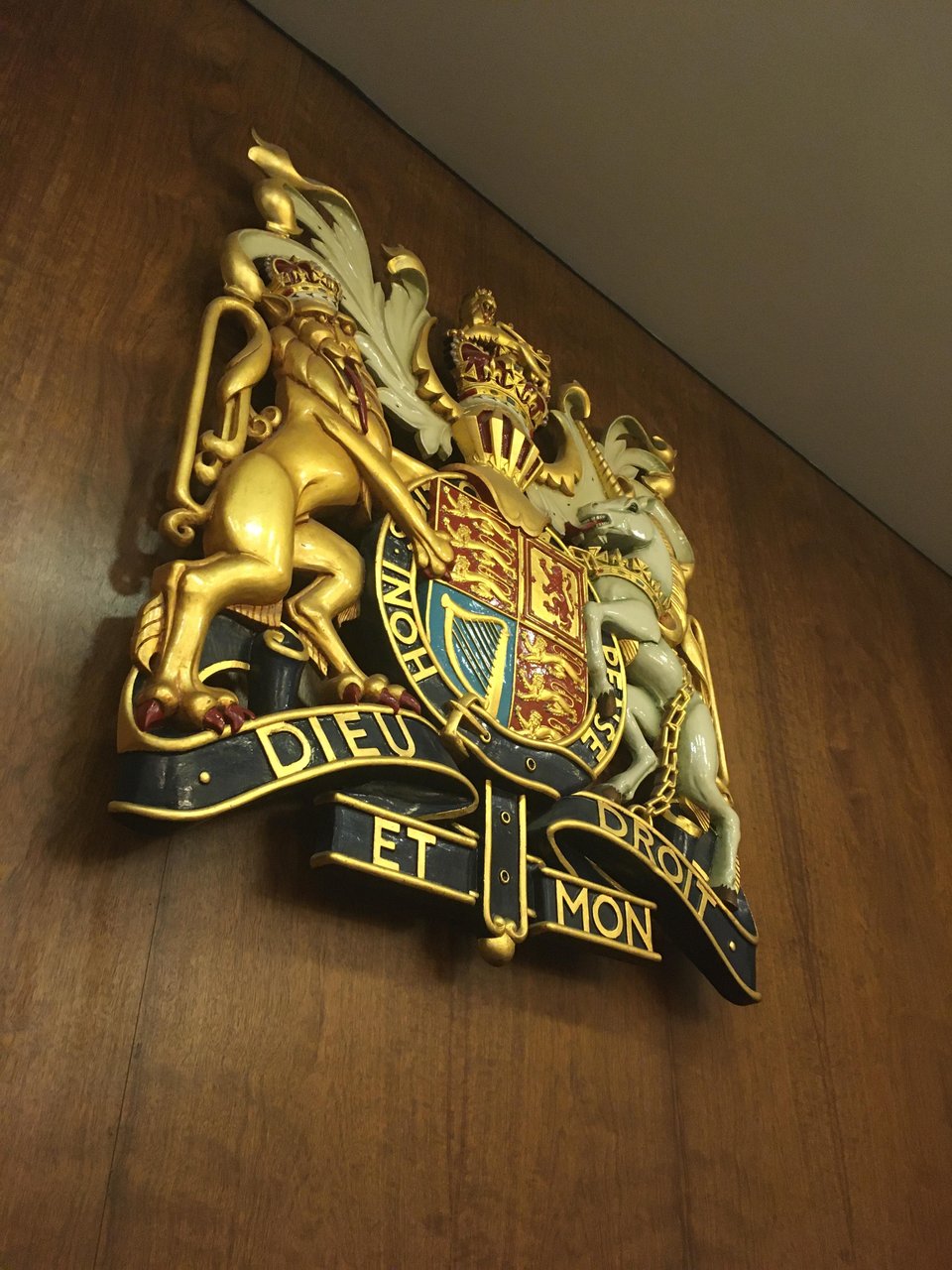
In almost every courtroom in England and Wales, the Royal Coat of Arms hangs behind the judge. Proceedings are conducted in the name of the Crown — the courtroom is legally an extension of the monarch’s court.
The mottos on the arms are written in Old French, not modern English. In plain English they mean:
Mr Lake’s case was heard under that symbol. He says twenty-two years of failure show a gap between what the arms represent and what he experienced — detailed on the violations and for lawyers pages.
Mr Lake knew only a few injustices. Regulators and courts said there was “no evidence.” Impartial AI analysis read the whole file — and blew the case open.
Mr Lake’s close friend Richard Cameron (Norbit.Online) introduced modern technology and AI to digitise the archive and run an impartial, document-led review — no loyalty to firms, courts, or institutions.
Every page cross-referenced: transcripts, binders, bank records, council papers, correspondence. Pattern recognition where human review had failed for two decades.
That is why Mr Lake calls AI a game changer: not because it replaces courts, but because it did what twenty years of submissions could not — read everything without bias, show how the failures connect, and point to where it started.
Root cause — identified by AI review
Reading the full case file pointed to a starting failure: Stockton-on-Tees Borough Council granted planning permission (application 04/2030/FUL, approved 23 November 2004) for two bungalows at land to the rear of Grays Road — yet Mr Lake had no lawful access to the site. The entrance did not belong to the applicant; on the council’s own document it belonged to the neighbouring property (Thompsons). That breach, on his account, enabled everything that followed.
Mr Lake and Richard Cameron checked the council’s paperwork against the planning rules in force at the time (including the council’s own validation requirements from 2003). On that review, the permission should not have been granted without verified highway access.
Highways Act 1980, section 184 (as cited in the case papers)
Planning permission should not be granted without adequate access; the council must verify that access is “adequate and available” before approval.
Town and Country Planning Act 1990, section 70
Planning authorities must consider “access to the highway” when deciding applications.
Stockton Council’s own validation checklist (2003 requirements)
The council’s procedures required, among other things:
- Proof of legal access rights to the highway
- Detailed plans illustrating proposed access points to the highway
- Visibility splays to ensure safe ingress and egress
Handwritten note on the council approval notice (held in the case file)
“THIS WAS PASSED BY DECEPTION AS THE ENTRANCE DID NOT BELONG TO THE TYSONS IT BELONGED TO NEXT DOOR. THOMPSONS”
We had no access. The case record and the annotated planning notice are used to show that the council, on Mr Lake’s case, broke its own rules — not merely that a later dispute went wrong in court.
This is Mr Lake’s case position, assisted by technology. Courts and authorities decide disputed facts. Full papers are available via secure sign-in for authorised users.
Representation needed
Mr David Daniel Lake is 75. He needs a lawyer for this case on no win, no fee or legal aid if he qualifies — not informal advice.
Summary of rule breaches, ECHR articles, and how failures compound — no file links.
Phases from the land deal through bankruptcy, ECHR, and today’s Crown hold work.
Narrative walkthrough in plain language for journalists and the public.
Annulment, Crown hold, and Barclays — what is happening now.
@dlcorruption on YouTube
This website presents Mr Lake's case position and documented allegations. It is not legal advice, and only courts or competent authorities can make final determinations of disputed fact and liability.